Cross-Stack AI: Security Challenges in AI-Enabled Applications

February 17, 2026

AI-enabled applications break traditional security models by operating across multiple systems, exposing organizations to token compromise, cross-domain data leakage, and shadow AI risks. This article explores real-world vulnerabilities, compliance challenges, and emerging architectural solutions like verifiable delegation, coordinated revocation, and orchestration-layer security. By adopting cross-stack visibility and governance, organizations can build resilient AI ecosystems that protect data, identities, and operations at scale.
Introduction The Silent Vulnerability in Your AI Infrastructure
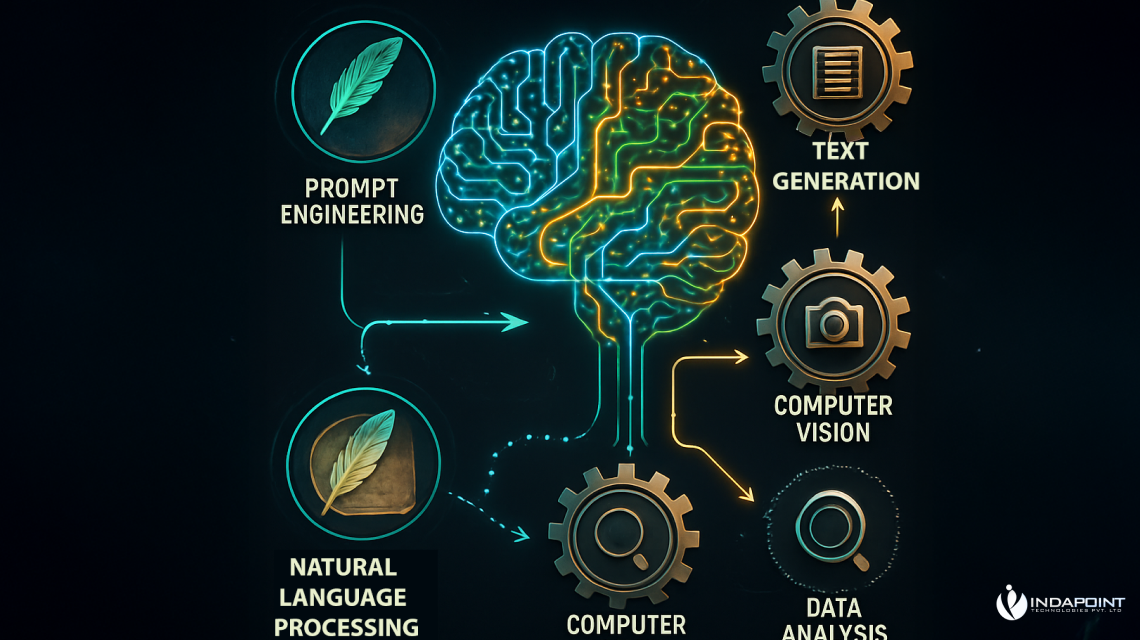
Artificial intelligence is now the backbone of modern enterprise operations, yet many organizations deploy AI-enabled applications with a dangerous security blind spot. As cross-stack AI systems operate across platforms like Salesforce, HubSpot, cloud storage, and proprietary databases, they introduce AI security vulnerabilities that traditional defenses were never designed to handle. This shift breaks conventional perimeter-based protection and exposes enterprises to AI token compromise, credential leakage, and cascading cross-domain breaches. A single compromised credential in a multi-agent AI environment can rapidly expose hundreds of organizations, making cross-stack AI security a critical priority. This article explores how AI operating across trust boundaries creates architectural risk and outlines essential strategies organizations must adopt to strengthen enterprise AI security before vulnerabilities escalate into large-scale incidents.
The Origin Story How AI Broke Traditional Security Models
For decades, traditional security architecture depended on perimeter validation and strict boundary enforcement, assuming isolated systems would remain secure. However, modern AI agents continuously cross these boundaries, operating across multiple platforms without human oversight and exposing weaknesses in cross-stack AI security. Because each domain validates credentials independently, organizations face heightened risk from AI token compromise and fragmented authentication controls. This flaw creates a dangerous environment where a single breach in an AI-enabled ecosystem can cascade rapidly across interconnected systems. As a result, today’s perimeter-based defenses reveal a critical gap in enterprise AI security models, demanding architectural redesign to prevent large-scale, cross-domain incidents.
The Core Challenge Three Architectural Gaps That Enable Breaches
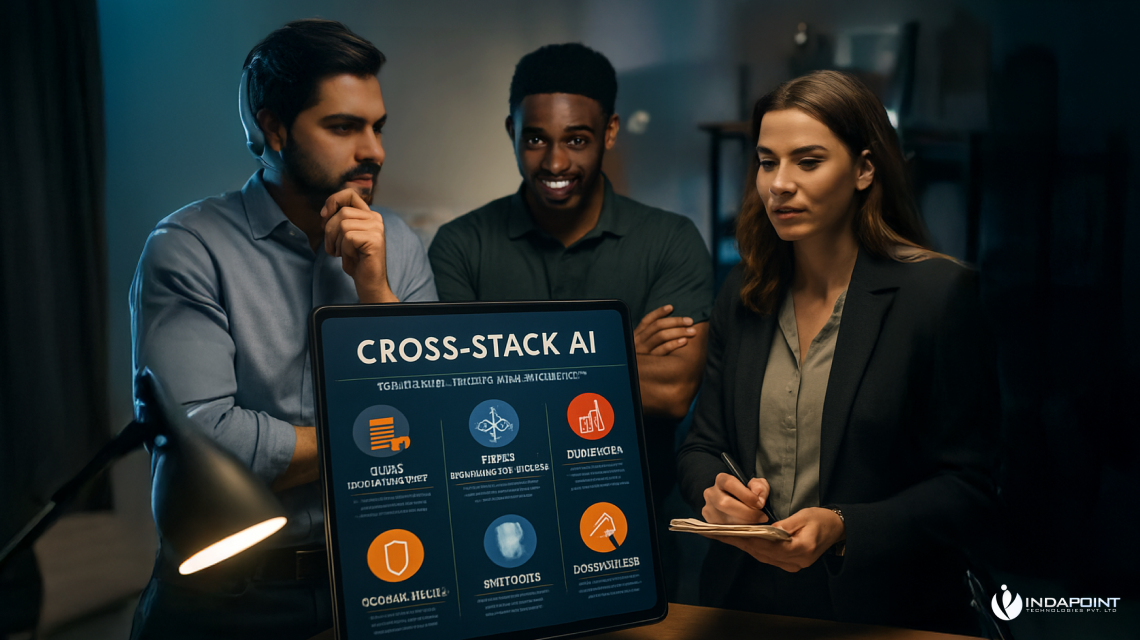
Modern cross-stack AI security risks stem from three major architectural weaknesses. First, tokens without memory allow AI agents to move between systems using credentials that lose contextual authorization, creating dangerous ghost credentials with no verifiable scope. Second, cross-modal data leakage emerges in multi-modal AI systems that process text, images, and structured data simultaneously, increasing the likelihood of unintended AI data exposure when protections are inconsistent. Third, the rise of shadow AI deployments leaves organizations blind to unmonitored tools, expanding the enterprise attack surface through misconfigurations and exposed credentials. Together, these gaps highlight why AI security architecture must evolve to maintain visibility, accountability, and containment across interconnected systems.
The Attack Surface Real-World Vulnerability Patterns

The Salesloft Drift breach demonstrates how dangerous cross-stack AI vulnerabilities can become in real-world environments. Attackers leveraged compromised OAuth tokens tied to a trusted third-party application, enabling unauthorized access to sensitive data across multiple organizations. This incident highlights how AI-enabled systems operating at machine speed can amplify token compromise risks, allowing breaches to spread rapidly across interconnected platforms. Without strong AI security oversight and cross-domain visibility, even minor credential exposure can escalate into large-scale enterprise data breaches, proving that traditional defenses are no longer sufficient in modern AI ecosystems.
Layered Vulnerabilities Beyond Token Compromise
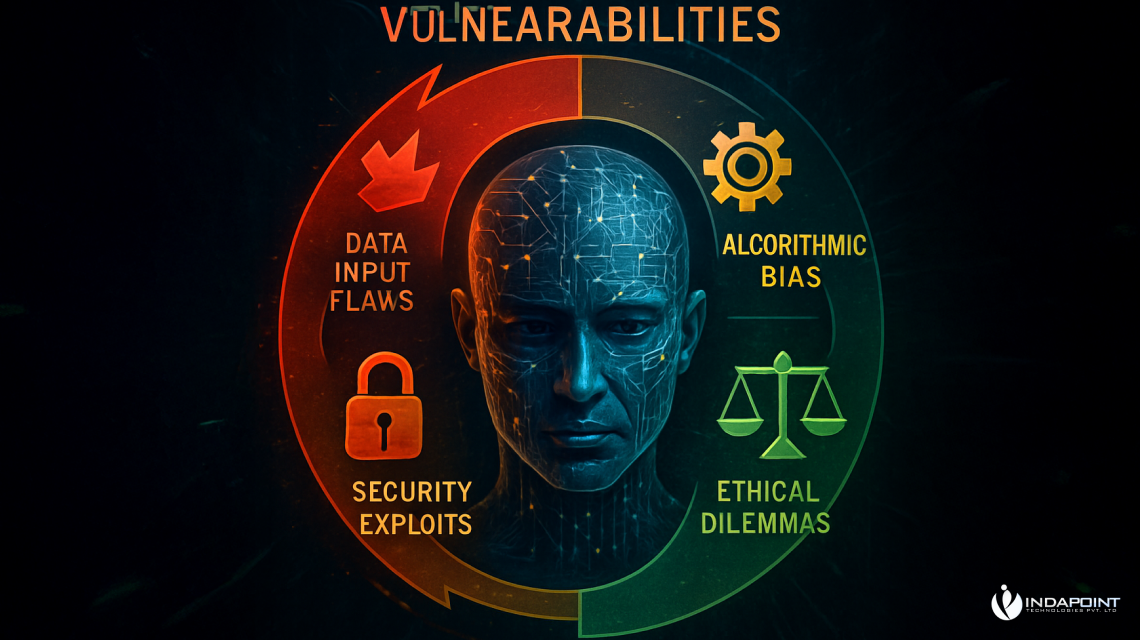
Data poisoning attacks and training-time AI vulnerabilities pose serious long-term risks to modern organizations. When malicious actors inject manipulated data into AI training datasets, they create hidden weaknesses that can persist throughout the model’s lifecycle, silently undermining accuracy and trust. Equally concerning are model inversion attacks and membership inference threats, where attackers reverse-engineer AI systems to extract sensitive training information, exposing private organizational data. In addition, adversarial AI attacks exploit intentionally crafted inputs to mislead systems, triggering incorrect decisions or unauthorized cross-system access. Together, these threats reveal how fragile AI security architecture can be without proactive safeguards, continuous monitoring, and robust defensive design.
Compliance and Jurisdictional Challenges

The global expansion of AI systems introduces complex AI compliance challenges, especially under strict regulations like GDPR compliance and CCPA data protection laws. When organizations deploy AI across borders, even minor data residency misconfigurations can trigger violations in multiple jurisdictions, exposing businesses to legal and financial risk. To maintain trust and regulatory alignment, companies must prioritize AI data lineage visibility, ensuring they understand where data originates, how it moves, and how it is processed. Strong governance frameworks and cross-border AI regulatory compliance strategies are now essential for any enterprise operating intelligent systems at scale.
Emerging Trends The Orchestration Layer and Multi-Agent Workflows
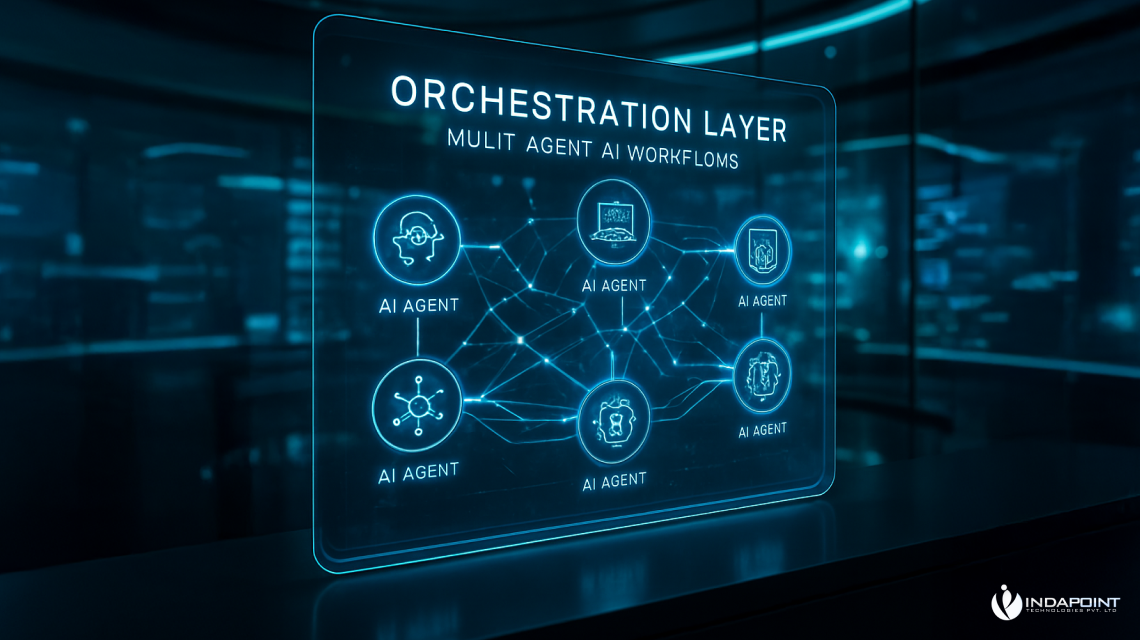
The modern AI security landscape is rapidly shifting toward the management of complex multi-agent AI workflows, where interconnected systems operate simultaneously across platforms. Because these environments can trigger cascading failures, a single weakness can spread quickly across connected infrastructures. This makes orchestration layer security a critical priority for organizations deploying advanced AI ecosystems. Strengthening interconnected AI system protection helps reduce systemic risk, improves resilience, and ensures safer coordination between intelligent agents. Enterprises that invest in AI workflow security architecture will be better positioned to prevent large-scale disruptions and maintain operational stability.
The Path Forward Architectural Solutions

To strengthen defenses, organizations must adopt cross-stack AI security architecture built on modern identity and monitoring frameworks. Critical solutions include verifiable delegation, which uses cryptographic authorization to validate AI identities across domains, and operational envelopes that restrict what tokens are allowed to do inside interconnected systems. Equally important is coordinated revocation, enabling real-time shared removal of compromised access before breaches escalate. Finally, horizontal visibility in AI systems ensures continuous monitoring of AI services and model endpoints to quickly detect anomalies and mitigate threats. Together, these architectural safeguards create a resilient foundation for scalable and secure AI operations.
Critical Limitations and Ongoing Challenges

Despite progress in AI security architecture, several critical risks continue to threaten organizations deploying cross-domain systems. Persistent credentials in AI systems often outlive their intended lifecycle, increasing exposure to unauthorized access. At the same time, the inability to monitor AI execution in real time prevents security teams from responding at machine speed. Many enterprises also operate within fragmented AI security ecosystems that lack coordinated trust frameworks, creating blind spots across platforms. Compounding these risks are measurement gaps in AI security controls, making it difficult to evaluate whether protections are truly effective. Addressing these weaknesses is essential for building resilient and accountable AI infrastructure.
Actionable Takeaways for Organizations

1. For Security Leaders
- Conduct regular inventories of AI agents and integrations to detect shadow AI risks and eliminate unmanaged deployments.
- Implement centralized AI token management systems to improve visibility, trace credential usage, and reduce breach exposure.
- Establish strong cross-functional AI security governance that aligns IT, security, and compliance teams.
2. For AI/ML Teams
- Design resilient AI workflows with breach scenarios in mind, ensuring safeguards exist at every integration layer.
- Continuously monitor AI agent behavior and anomaly patterns to detect threats before escalation.
3. For Enterprise Leadership
- Recognize that AI security requires architectural governance, not just tool-based defenses.
- Allocate dedicated budgets for cross-stack AI security infrastructure to support long-term resilience.
Conclusion
Cross-stack AI security is no longer optional — it is foundational. As AI agents move faster than human oversight, organizations must shift from perimeter-based defenses to architecture-driven protection. Implementing verifiable delegation, operational envelopes, and coordinated revocation creates a security fabric that travels with AI across systems. Enterprises that act early will not only prevent catastrophic breaches but also build trust, resilience, and long-term scalability into their AI infrastructure.


